ORIGATA PORRO


What if furniture were made the way a kimono is—with nothing wasted?
A kimono is made from flat, rectangular cloth, cut in straight lines, assembled with almost no waste. Nothing is forced into shape.
I wanted to try the same with metal. Cut, fold, assemble with a few screws. The form is whatever the material allows, and the color does the rest.
The seat is 38 centimeters deep. One shaku in kujira-jaku, the traditional measure for kimono fabric. It wasn’t planned. But perhaps that’s the point.
ORIGATA, DESIGN NAO TAMURA
From Japan to New York, balancing memory and innovation, archaic forms and contemporaneity. Porro’s path crosses the light step of Nao Tamura, for the new Origata bench inspired by Japanese culture.
Monolithic in appearance, Origata is inspired by the making of kimonos, the traditional Japanese garments, where the flat and rectangular fabric is cut in straight lines and then sewn together with little to no waste: a principle taken up in the creation of the bench, made from a sheet of aluminum cut and assembled through screws, >>
>>maximizing the use of the material. A minimalist geometry and a pop object, a brutalist architecture softened by a soft cushion, Origata is a three-dimensional asculpture and a visual game in the name of symmetry, balance and the expressive power of colour. A project that narrates the values shared by the designer and the brand: cultural identity, internationality and propensity for the future. True combination of simple gestures and aesthetic simplification, it offers a new point of view on the Porro house.
ORIGATA received an Honourable Mention at the Compasso d’Oro and entered the Compasso d’Oro Historical Collection at the ADI Design Museum, Milan—a collection recognized by the Italian Ministry of Culture as part of Italy’s national heritage.




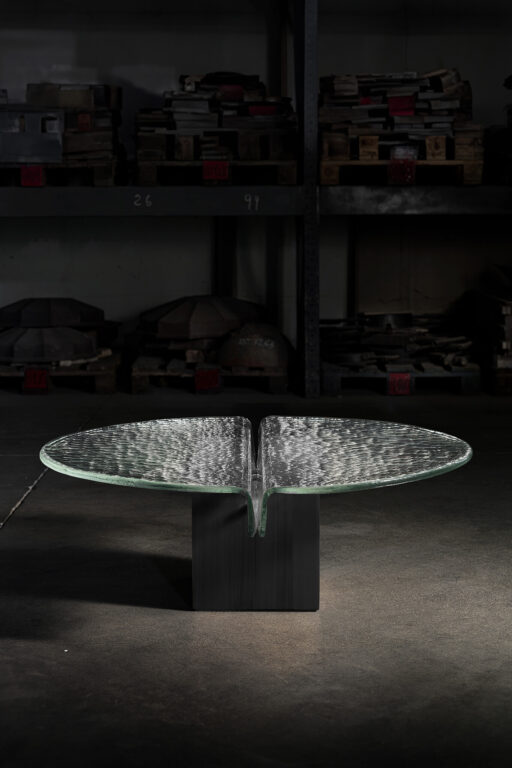





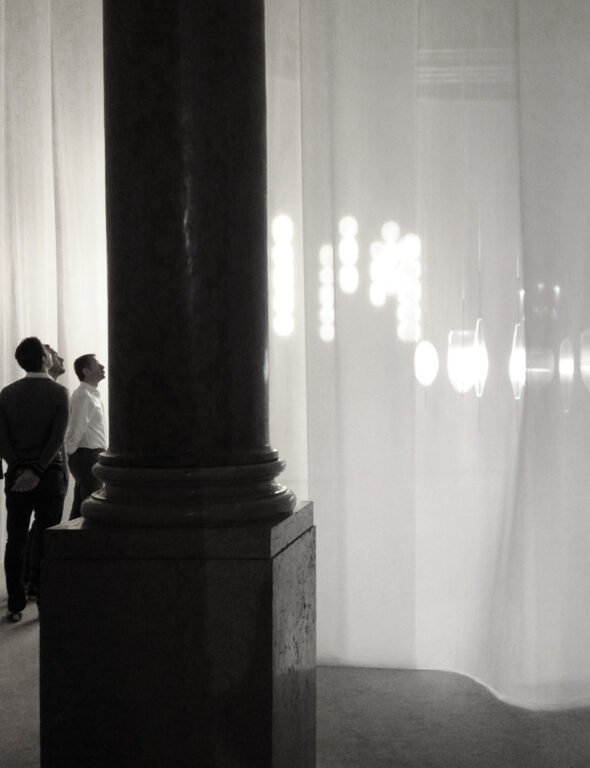

![FLOW[T], WonderGlass. Design by Nao Tamura.](https://naotamura.com/img/2015/04/NaoTamura_IN_Flowt04-576x768.jpg "FLOW[T], WonderGlass. Design by Nao Tamura.")


